Traditional Jordanian Hummus
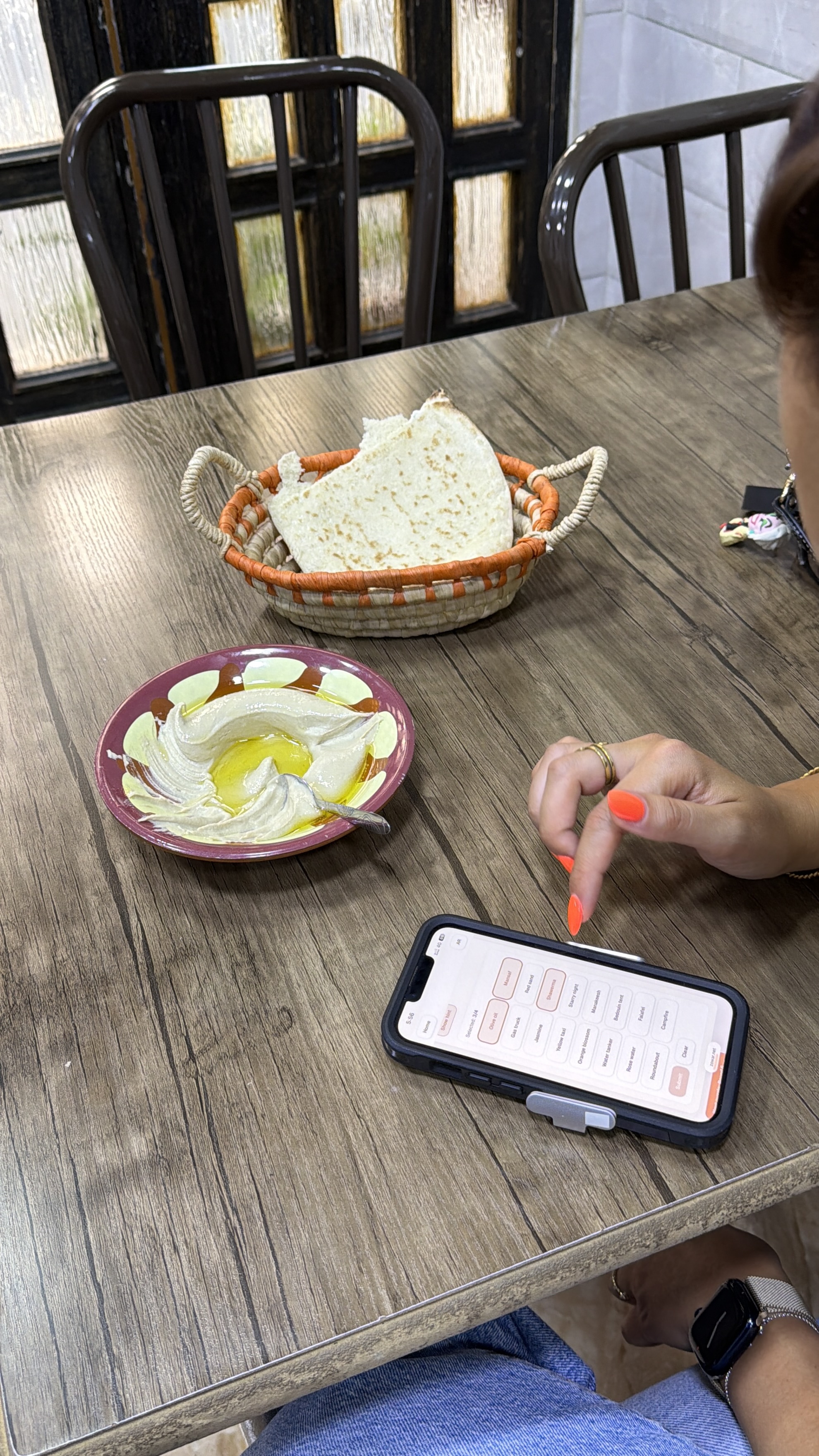
Made from dried chickpeas, blended with ice-cold water, and served the only way it should be — in a wide bowl with a pool of olive oil and warm bread on the side.
Before you start
Hummus has been eaten across the Levant for centuries. The word simply means chickpeas in Arabic — hummus bi tahini means chickpeas with tahini, which is what the dish technically is. In Jordan, it is a staple of the morning table, served warm and freshly made, not refrigerated and re-heated.
The difference between the hummus you buy in a supermarket and the hummus you eat in Amman comes down to three things: starting with dried chickpeas, using excellent tahini, and blending with ice-cold water. None of these steps are complicated. They just require a little planning ahead.
This recipe follows the traditional Jordanian method. Make it the night before for breakfast, or the morning of for lunch. It does not keep well beyond a day or two — but it rarely needs to.
Ingredients
Makes 4–6 servings as part of a mezze spread
Do not use tinned — dried makes a significantly smoother result
Added during cooking; softens the chickpeas faster and more evenly
This is the single most important ingredient. Buy the best you can find
Always freshly squeezed. Bottled lemon juice will not taste the same
Raw garlic gives a sharp bite; roast it first for something milder
Traditional, not optional — it gives depth without flavouring the hummus strongly
The Jordanian secret to a lighter, fluffier texture
Method
Soak the chickpeas
Cover the dried chickpeas with plenty of cold water and leave them overnight — a minimum of 12 hours. They will roughly double in size. Do not skip this step. Pre-soaking significantly reduces cooking time and makes the chickpeas easier to blend smooth.
Cook until very soft
Drain and rinse the soaked chickpeas. Transfer to a large saucepan, cover generously with fresh cold water, and add the baking soda. Bring to a boil, then reduce to a steady simmer. Cook for 60 to 90 minutes. The chickpeas should be much softer than you would use for a salad — they need to crush completely between two fingers with no resistance. The softer they are, the smoother the final result.
Reserve the liquid
Before draining, scoop out a cup of the cooking liquid. This starchy water can be used to adjust the consistency at the end if needed. Drain the rest, and set aside a small handful of whole chickpeas to garnish the finished bowl.
Emulsify the tahini and lemon first
This is the step most people skip, and it makes the most difference. In a food processor, combine the garlic and lemon juice and blend for 30 seconds. Then add the tahini and blend for a full minute. The mixture will turn pale and thick — almost like a paste. This emulsification is what gives hummus its creamy, cohesive body rather than a grainy or separated texture.
Add the chickpeas and blend
Add the warm drained chickpeas, cumin, and salt to the food processor. Blend for two full minutes. With the motor running, add the ice-cold water one tablespoon at a time. The cold water is the traditional Jordanian technique for achieving a lighter, fluffier consistency — it aerates the mixture as it blends. Stop adding water when the hummus reaches a smooth, pourable texture.
Taste and adjust
Taste carefully. Add more lemon juice for brightness, more salt to lift the overall flavour. If the hummus seems heavy or dense, add another tablespoon of cold water or a little of the reserved chickpea liquid and blend again briefly.
Serve properly
Traditional Jordanian hummus is served in a wide, shallow bowl — never deep. Use the back of a spoon to spread the hummus to the edges, creating a well in the centre. Fill the well generously with extra virgin olive oil. Scatter the reserved whole chickpeas, dust lightly with paprika, and add a few sprigs of flat-leaf parsley. Serve immediately with warm flatbread or khubz. Hummus is always best fresh.
Tips for the best result
- Tahini quality is everything. Buy tahini made from 100% sesame seeds with no additives. Jordanian and Lebanese brands tend to be the best. If your tahini tastes bitter or is separated and oily at the top of the jar, it will give you inferior hummus.
- Blend for longer than you think. Most people underblend. Two full minutes in a food processor transforms grainy mashed chickpeas into something genuinely smooth. Keep going.
- The chickpeas must be warm when blended. Cold chickpeas seize up and never blend as smoothly. Blend them hot or warm from the pot.
- Do not rush the soak. Twelve hours minimum. Some cooks soak for 24. The longer the soak, the softer the chickpea, the smoother the hummus.
- Serve at room temperature. Hummus should never be cold. If you made it ahead, let it come to room temperature before serving and refresh the olive oil on top.
What to serve with hummus
In Jordan, hummus is almost always part of a larger spread rather than a standalone dish. It appears at breakfast alongside ful medames (slow-cooked fava beans), falafel, labneh, olives, tomatoes, and warm flatbread. It is also served at lunch and dinner as part of the mezze table before the main course arrives.
Warm flatbread or khubz is the traditional accompaniment — never crackers or crudités, which are a Western adaptation. In Amman, many restaurants bake their bread fresh and bring it continuously throughout the meal.
Hummus msabbaha (also called masabacha) is a variation where the chickpeas are left whole or roughly broken and served warm in the tahini-lemon sauce — a more rustic, textured version that is popular for breakfast in Jordan and across the Levant.
Eat it in Amman
Where to eat hummus in Amman
If you want to taste the real thing in context, Abu Jbara and Abu Mahjoud both serve excellent hummus as part of a full Jordanian breakfast spread. The Zowar experience also stops at curated local spots along Rainbow Street where hummus is part of the tasting.